No fluff. No fads. Deep-dive investigative reports from the surgeon who actually sees the inside of the joints.
If you've been living with pain, stiffness, or a nagging injury, you're not alone — and you don't have to keep pushing through it. This guide is here to help you recognize the signs that it's time to get expert help.
Many people live with joint pain, stiffness, or limited mobility far longer than they need to. While some aches and pains resolve on their own, there are clear signs that it's time to see a specialist. Recognizing these warning signs early can mean the difference between a simple treatment and a complex surgery down the road.

The most common thing I hear from patients is, "I wish I had come in sooner." Early evaluation almost always means more options and better outcomes.
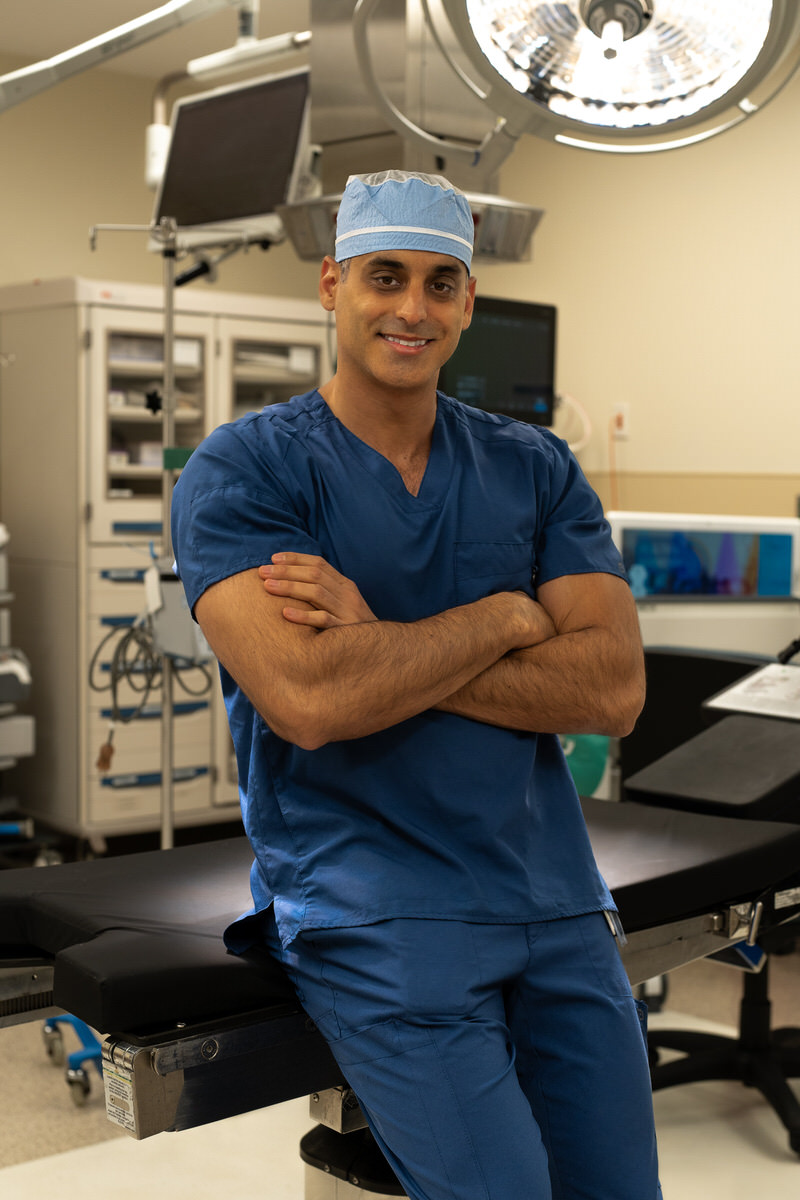
Dr. Sameh Elguizaoui, M.D. — Board-Certified Orthopedic SurgeonIf you've rested an injury for two days and the pain hasn't improved — or has gotten worse — it's time to see an orthopedic surgeon. Persistent pain can indicate a more serious injury like a ligament tear, stress fracture, or cartilage damage.
Over-the-counter medications may mask the symptoms, but they won't fix the underlying problem. An accurate diagnosis is the first step toward real relief.
Significant swelling in a joint, especially the knee or shoulder, can indicate internal damage. If ice, elevation, and rest haven't reduced the swelling within a few days, seek evaluation.
Persistent swelling may be a sign of:
An orthopedic surgeon can use imaging — such as an MRI or ultrasound — to determine the exact cause and recommend appropriate treatment.
If you can't fully bend or straighten a joint, or if simple movements like reaching overhead or climbing stairs have become difficult, this could signal a structural problem that needs attention.
Common causes of lost range of motion include frozen shoulder, rotator cuff tears, meniscus injuries, and arthritis. The longer you compensate for limited motion, the more likely you are to develop problems in other areas of the body — such as back or hip pain from an altered gait.
Compensating for a stiff or painful joint often creates a chain reaction of problems. Addressing the root cause early helps protect the rest of your body, too.
Dr. Sameh Elguizaoui, M.D.Feeling like your knee buckles or gives out — especially when walking, turning, or going down stairs — often indicates a ligament injury like an ACL tear that may require surgical repair.
Joint instability isn't just uncomfortable — it's a safety concern. Each episode of giving way can cause additional damage to the cartilage and meniscus inside the joint, making future treatment more complex. Bracing can help in the short term, but an evaluation is essential to determine if surgery or rehabilitation is needed.
When pain prevents you from sleeping, working, or enjoying activities you love, it's affecting your quality of life. An orthopedic evaluation can identify the cause and outline treatment options — which may include non-surgical approaches like physical therapy or regenerative medicine.
Quality of life matters. You don't have to accept chronic pain as a normal part of aging or activity.
Patients who seek early evaluation have significantly higher rates of full recovery and are more likely to qualify for non-surgical treatment (source: AAOS)
The sooner you address an orthopedic problem, the more treatment options are available. Many conditions that could be treated with physical therapy, PRP injections, or a minor arthroscopic procedure may eventually require a more invasive surgery if left untreated.
Dr. Elguizaoui always explores conservative treatment first, recommending surgery only when necessary. During your first visit, you can expect a thorough physical exam, a review of any imaging, and a clear explanation of your diagnosis and options.
It depends on your insurance plan. Many plans allow you to see an orthopedic specialist without a referral. If you're unsure, our office can help verify your coverage when you call to schedule.
Absolutely not. Many orthopedic conditions can be treated with non-surgical options like physical therapy, injections, bracing, or activity modification. Dr. Elguizaoui always explores conservative treatment first and only recommends surgery when it will genuinely improve your outcome.
In many cases, X-rays are taken during your first visit. If more detailed imaging is needed — such as an MRI to evaluate soft tissue — Dr. Elguizaoui will order it and explain exactly what he's looking for. You'll never receive unnecessary testing.
If your pain, swelling, or instability hasn't improved after 48 hours of rest, ice, and elevation, it's time to call. For severe injuries — like an inability to bear weight, a visible deformity, or signs of infection — seek care immediately.
Some exercise may be safe, but it depends on the underlying cause. Exercising through certain injuries can make them worse. An orthopedic evaluation can tell you exactly what's safe and what to avoid, so you can stay as active as possible without causing further harm.
If any of these five signs sound familiar, you deserve a clear answer and a plan. Dr. Elguizaoui and his team are here to listen, evaluate, and guide you toward the best possible outcome — with offices in Manhattan, Brooklyn, and Scarsdale.
Schedule a Consultation or call (212) 828-3838Related: Sports Medicine Services · Shoulder & Knee Surgery · ACL, MCL & PCL Tears Guide
Get Started
Take the first step toward recovery. Schedule a consultation with Dr. Elguizaoui to discuss your condition and explore your treatment options.