No fluff. No fads. Deep-dive investigative reports from the surgeon who actually sees the inside of the joints.
Tearing your ACL can feel overwhelming — whether it happened on the field, on the slopes, or during everyday activity. If you're facing surgery or already recovering, know that the road ahead is well-traveled and full of hope. Thousands of patients return to the activities they love, and we'll be with you every step of the way.
The anterior cruciate ligament (ACL) is one of four major ligaments in your knee. It runs diagonally through the center of the joint, connecting your thighbone (femur) to your shinbone (tibia). Its primary job is to prevent the tibia from sliding forward and to provide rotational stability during cutting, pivoting, and landing.
When the ACL tears — often during a sudden twist, pivot, or landing — the knee loses much of its stability. Most complete ACL tears don't heal on their own because of limited blood supply, which is why reconstruction surgery is often recommended, especially for active individuals.
ACL reconstruction replaces the torn ligament with a graft — tissue that serves as scaffolding for a new ligament to grow. The surgery is performed arthroscopically through small incisions, which means less pain, less scarring, and a faster start to rehab.
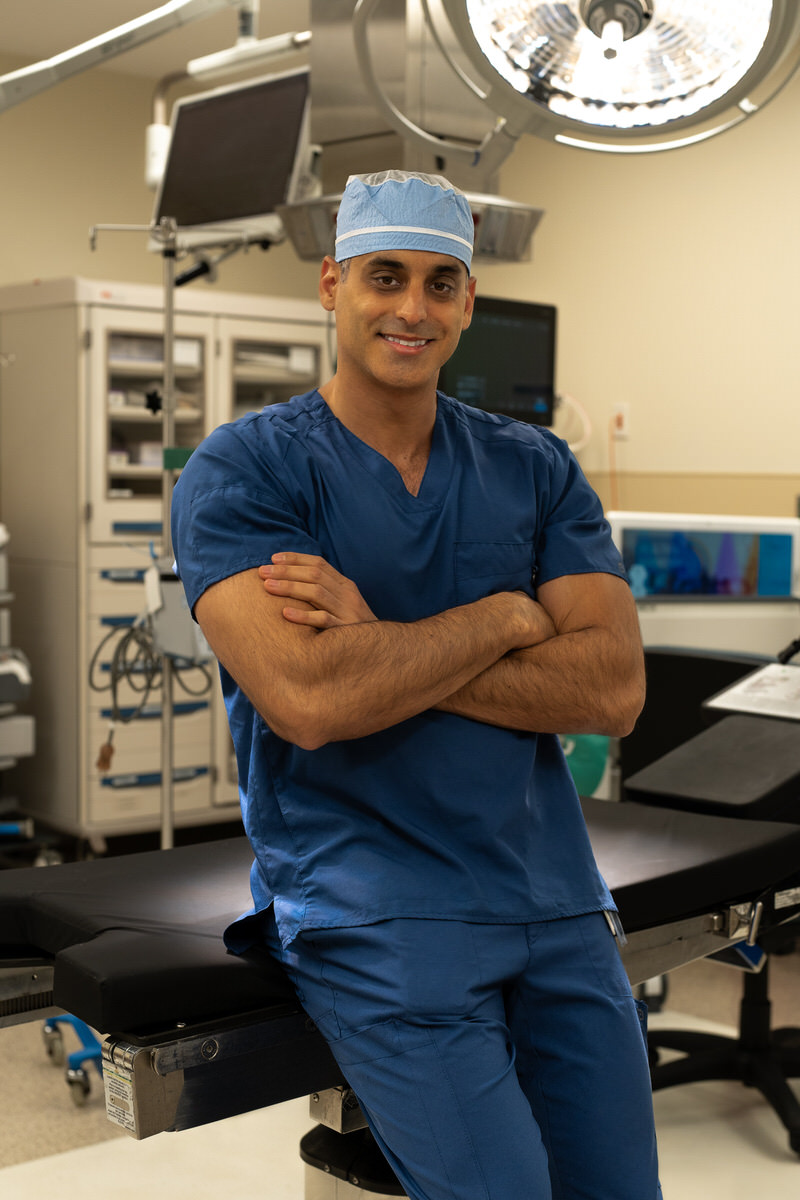
I tell every patient: ACL reconstruction isn't about getting you through surgery — it's about building a knee that's strong, stable, and ready for everything you want to do. The surgery is one day. The recovery is a journey we plan together from the very beginning.
Dr. Sameh Elguizaoui, M.D. — Board-Certified Orthopedic SurgeonEvery recovery is unique, but understanding the general roadmap helps you prepare mentally and physically for the journey ahead. Here's what most patients can expect:
The first two weeks focus on managing pain and swelling. You'll use crutches and a knee brace, and begin gentle range-of-motion exercises. Ice and elevation are your best friends during this phase.
Physical therapy begins in earnest. The goals are restoring full range of motion, reducing swelling, and beginning to rebuild quadriceps strength. Most patients can return to desk work within 1-2 weeks of surgery.
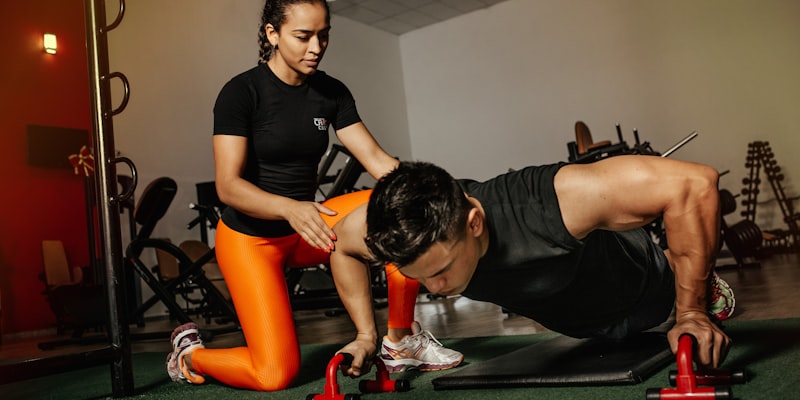
This is when real progress happens. You'll work on building leg strength, improving balance, and beginning sport-specific movements. Swimming and cycling are typically introduced during this phase. Many patients feel a turning point here — the knee starts feeling like "your knee" again.
Jogging is usually cleared around month 4. Agility drills, cutting movements, and sport-specific training ramp up. Your surgeon and physical therapist will monitor your progress closely with objective strength testing.
Most athletes can return to competitive sports between 6-9 months after surgery, depending on the sport and individual recovery. Dr. Elguizaoui uses objective criteria — not just time — to determine when you're ready, including strength symmetry testing and functional assessments.
Modern ACL reconstruction with proper rehabilitation produces excellent outcomes (source: AAOS, AJSM)
The graft is strongest on day one and weakest around 6-8 weeks as it undergoes remodeling. That's why we protect it early and build strength progressively. Patience during this phase is what sets the stage for a full return to sport.
Dr. Sameh Elguizaoui, M.D.One of the most important decisions in ACL reconstruction is graft choice. Dr. Elguizaoui discusses the pros and cons of each option with every patient:
The best graft depends on your age, activity level, sport, and anatomy. There's no one-size-fits-all answer — and that's exactly why a personalized consultation matters.
Most surgeons recommend waiting until swelling subsides and range of motion is restored — typically 2-4 weeks after injury. This "prehab" period actually leads to better surgical outcomes. Dr. Elguizaoui will guide you on the optimal timing for your situation.
Most patients report their knee feels stable and strong after full recovery. Studies show over 90% of patients return to their pre-injury activity level. Some patients say their knee feels even better than before because of the strength they build during rehab.
Re-tear rates are approximately 5-8% within the first two years. Completing your full rehabilitation program and meeting objective return-to-sport criteria significantly reduces this risk. That's why Dr. Elguizaoui uses strength testing and functional assessments — not just calendar time — before clearing you.
If your left knee was operated on and you drive an automatic, you may be able to drive within 1-2 weeks. For right knee surgery, most patients can drive at 4-6 weeks once they're off narcotic pain medication and have adequate quad control to brake safely.
Some patients — particularly those who are less active or don't participate in cutting/pivoting sports — may do well with rehabilitation alone. However, for athletes and active individuals, reconstruction provides the stability needed for high-demand activities. Dr. Elguizaoui will discuss both options honestly.
Whether you've just torn your ACL or you're exploring your options, Dr. Elguizaoui and his team will guide you through every phase — from diagnosis through return to sport. Offices in Manhattan, Brooklyn, and Scarsdale.
Schedule a Consultation or call (212) 828-3838Related: Sports Medicine Services · Shoulder & Knee Surgery · Meniscus Tears & Cartilage Injuries
Get Started
Take the first step toward recovery. Schedule a consultation with Dr. Elguizaoui to discuss your condition and explore your treatment options.