No fluff. No fads. Deep-dive investigative reports from the surgeon who actually sees the inside of the joints.
If your doctor has recommended surgery, it's natural to feel anxious — especially when you're not sure what kind of procedure you'll need. This guide is here to help you understand the difference between arthroscopic and open surgery so you can walk into your consultation feeling informed and confident.
When surgery is recommended for a joint problem, one of the key decisions is whether an arthroscopic (minimally invasive) or open approach is best. Both are safe, well-established techniques — the right choice depends on your specific condition, the joint involved, and the complexity of the repair needed.

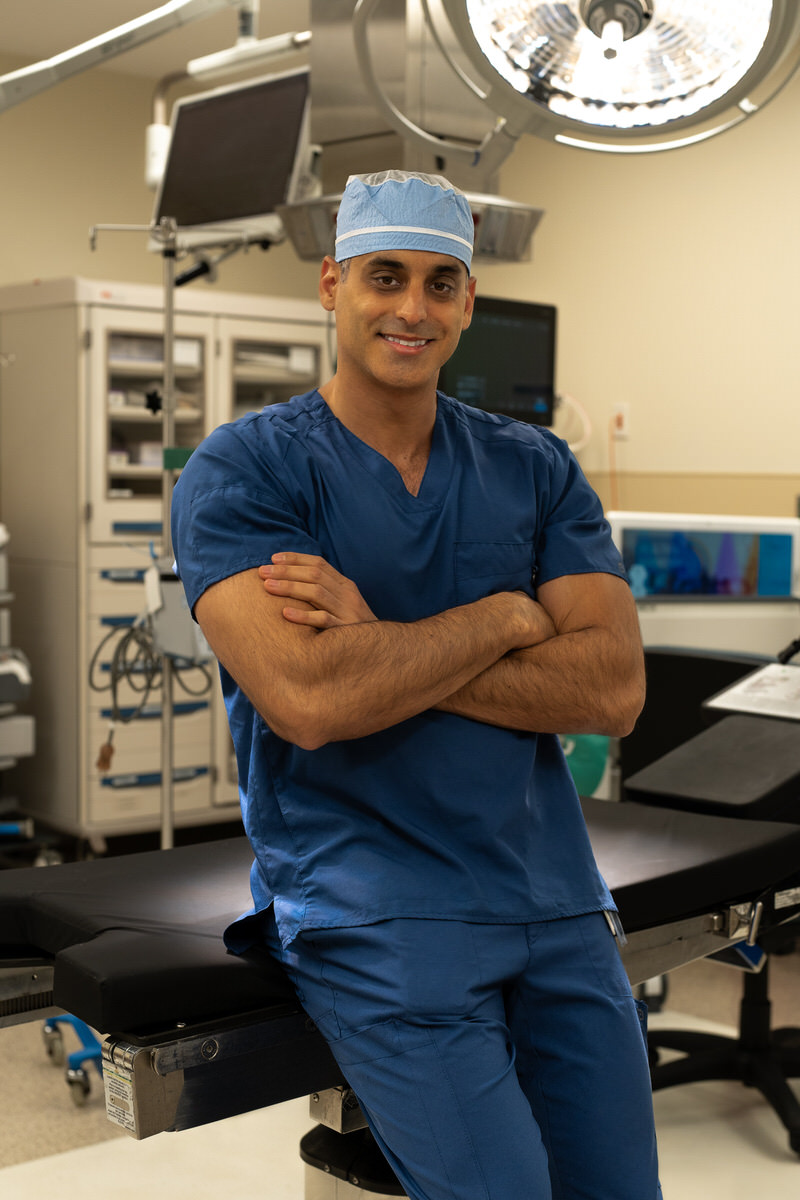
Dr. Elguizaoui is trained in both techniques and recommends the approach that will give you the best outcome — not the one that's easiest or fastest for the surgeon.
Arthroscopic surgery uses a small camera (arthroscope) — about the diameter of a pencil — inserted through a tiny incision to visualize the inside of a joint in high definition. The surgeon operates using specialized instruments through one or two additional small incisions.
Arthroscopy gives us a view of the joint that's actually better than what we can see with the naked eye during open surgery. The camera magnifies everything, so we can identify and address problems with incredible precision — through incisions the size of a buttonhole.
Dr. Sameh Elguizaoui, M.D. — Board-Certified Orthopedic SurgeonWhile arthroscopy is the preferred approach for many conditions, some situations require open surgery to achieve the best outcome. A larger incision gives the surgeon direct access to the joint, which is essential for more complex repairs.
Open surgery has a longer track record and remains the gold standard for many conditions. Advances in techniques, pain management, and rehabilitation mean that recovery from open surgery has improved dramatically over the years.
Recovery timelines are approximate and vary by procedure and individual. Arthroscopic procedures generally allow faster return to activity.
Dr. Elguizaoui performs a wide range of arthroscopic procedures across the knee, shoulder, and other joints:
I perform the vast majority of my procedures arthroscopically, but I never compromise a patient's outcome for the sake of a smaller incision. The goal is always the best possible result — and sometimes that means an open approach is the right call. I'll always explain why.
Dr. Sameh Elguizaoui, M.D.Every surgical plan is individualized. During your consultation, Dr. Elguizaoui will:
Both approaches are safe when performed by an experienced surgeon. Arthroscopic surgery generally carries a lower risk of infection and less post-operative pain due to smaller incisions, but the complication rates for both are low. The choice should be based on which approach gives you the best outcome for your specific condition.
Most arthroscopic procedures take 30-90 minutes, depending on the complexity. You'll be in the surgical center for a few hours total, including preparation and recovery from anesthesia. Most patients go home the same day.
It depends on the procedure and your preference. Many arthroscopic surgeries use regional anesthesia (a nerve block) combined with sedation, so you're comfortable but not under full general anesthesia. Dr. Elguizaoui and the anesthesiologist will discuss the best option for you.
Most patients describe post-arthroscopic pain as manageable — significantly less than open surgery. Ice, elevation, and over-the-counter pain medication are often sufficient after the first day or two. Dr. Elguizaoui uses multimodal pain management to keep you as comfortable as possible.
Not every condition can be addressed arthroscopically. Complex fractures, joint replacements, and some revision surgeries require open access. Advances in technology continue to expand what's possible through small incisions, and Dr. Elguizaoui stays at the forefront of these developments.
Ask about their training, fellowship experience, and how many arthroscopic procedures they perform each year. Fellowship-trained sports medicine surgeons like Dr. Elguizaoui have extensive specialized training in arthroscopic techniques.
Dr. Elguizaoui will explain exactly which approach is best for your condition, why, and what your recovery will look like — so you can make an informed decision with confidence. Offices in Manhattan, Brooklyn, and Scarsdale.
Schedule a Consultation or call (212) 828-3838Related: Shoulder & Knee Surgery · Sports Medicine Services · ACL Tear Recovery
Get Started
Take the first step toward recovery. Schedule a consultation with Dr. Elguizaoui to discuss your condition and explore your treatment options.