No fluff. No fads. Deep-dive investigative reports from the surgeon who actually sees the inside of the joints.
Being told you have cartilage damage can feel scary — especially if you're worried it means the end of the activities you love. The good news is that cartilage repair has advanced tremendously in recent years, and there are more options than ever to help you heal and stay active. Let's walk through what's happening in your joint and what we can do about it.
Articular cartilage is the smooth, glassy-white tissue that covers the ends of bones where they form joints. It's remarkably slick — its surface has less friction than ice on ice — allowing your bones to glide past each other effortlessly with every movement.

When this cartilage is damaged — through injury, wear, or disease — the normally smooth surface becomes rough or develops holes. This leads to pain, swelling, catching, and limited function. Unlike bone, cartilage has very limited blood supply, which means it doesn't heal well on its own.
The encouraging reality is that regardless of the cause, modern medicine offers a range of treatments — from simple injections to advanced surgical restoration — that can reduce pain, improve function, and protect the joint for years to come.
Cartilage damage used to be considered a one-way street toward joint replacement. That's simply not true anymore. With the techniques available today — many of which I trained in specifically during my fellowship in Europe — we can repair, restore, and even regenerate cartilage in ways that weren't possible a decade ago.
Dr. Sameh Elguizaoui, M.D. — Board-Certified Orthopedic SurgeonCartilage damage is classified on a scale from Grade I (mild) to Grade IV (severe). Understanding your grade helps determine the right treatment approach.
Cartilage damage doesn't always cause obvious symptoms right away. The signs can develop gradually and may be confused with other knee problems. Here's what to watch for:
If you're experiencing any of these symptoms, an evaluation can identify exactly what's going on. The earlier cartilage damage is detected, the more treatment options are available.
Good-to-excellent patient satisfaction rates at 5 years for modern cartilage repair techniques (source: AJSM, Cartilage Journal)
Many patients with cartilage damage — especially earlier grades — can find significant relief with non-surgical approaches:
I always start with the least invasive option that has a real chance of helping. For many patients, a combination of targeted physical therapy and biologic injections like PRP can make a dramatic difference — without surgery. When surgery is needed, the goal is to preserve and restore, not replace.
Dr. Sameh Elguizaoui, M.D.When conservative treatment isn't enough, several surgical techniques can repair or restore damaged cartilage. The right procedure depends on the size, location, and grade of the damage, as well as your age and activity level.
Dr. Elguizaoui completed an international traveling fellowship focused specifically on cartilage repair techniques at leading centers across Europe:
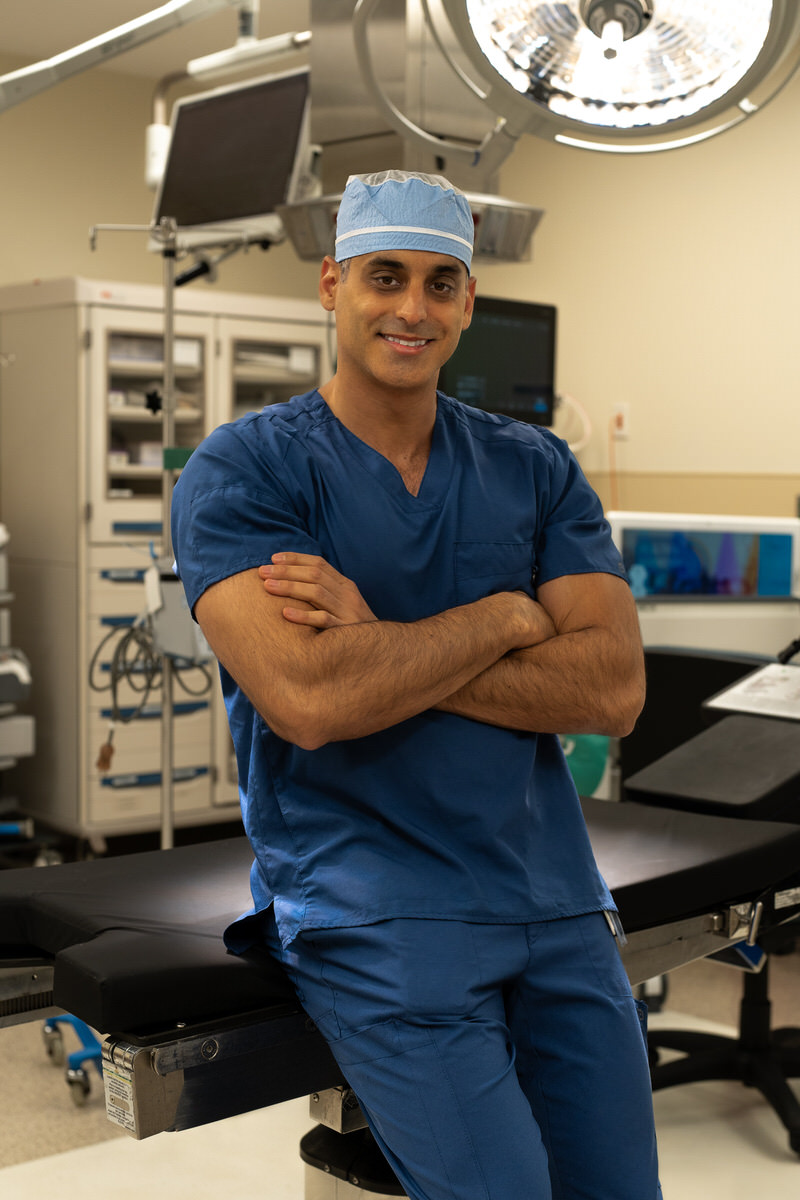
This specialized training — combined with his experience as team physician for the New York Jets and New York Islanders — gives him access to the most advanced cartilage restoration procedures available. He brings a level of expertise in this area that few orthopedic surgeons in the region can match.
Unfortunately, articular cartilage has very limited ability to heal itself because it lacks blood supply. Small areas of damage may stabilize with rest and therapy, but significant defects typically don't regenerate without intervention. That's why surgical techniques like microfracture and ACI are so valuable — they create conditions for new cartilage to form.
Cartilage damage is best diagnosed with an MRI, which can show the location, size, and depth of the defect. During your consultation, Dr. Elguizaoui will perform a physical exam and review imaging to give you a clear picture of what's happening inside your joint.
Not exactly. Cartilage damage refers to a specific area of injury, while arthritis describes widespread cartilage loss across a joint. However, untreated cartilage damage can progress to arthritis over time — which is one of the strongest arguments for early treatment.
Age is a factor but not a disqualifier. Younger patients generally have better healing capacity and are excellent candidates for techniques like ACI or allograft. Older patients may benefit more from microfracture, PRP, or hyaluronic acid. Dr. Elguizaoui tailors the approach to each patient's biology and goals.
Not necessarily. The entire goal of cartilage repair is to preserve your natural joint and delay or avoid replacement. Many patients who undergo successful cartilage restoration maintain active, pain-free lives for years and even decades. Early intervention gives you the best chance of avoiding replacement.
Yes — but the right kind of exercise matters. Low-impact activities like swimming, cycling, and elliptical training are typically joint-friendly. High-impact activities like running or jumping may need to be modified. Dr. Elguizaoui will help you design an activity plan that keeps you moving while protecting your joint.
With the right diagnosis and treatment, cartilage damage is a problem that can be solved — not just managed. Dr. Elguizaoui brings world-class cartilage repair expertise to every patient. Offices in Manhattan, Brooklyn, and Scarsdale.
Schedule a Consultation or call (212) 828-3838Related: Sports Medicine Services · Meniscus Tears & Cartilage Injuries · PRP Therapy
Get Started
Take the first step toward recovery. Schedule a consultation with Dr. Elguizaoui to discuss your condition and explore your treatment options.