No fluff. No fads. Deep-dive investigative reports from the surgeon who actually sees the inside of the joints.
If you've been living with chronic pain from a tendon injury, arthritis, or a nagging sports injury that just won't heal, you may feel like your only options are surgery or just "dealing with it." PRP therapy offers a third path — one that works with your body's own biology to promote real healing. Let's explore what it is and whether it might be right for you.
Platelet-rich plasma (PRP) therapy uses a concentration of your own platelets to accelerate healing of injured tendons, ligaments, muscles, and joints. It's a form of regenerative medicine that harnesses your body's natural healing ability — no synthetic drugs, no foreign materials.

Platelets are best known for their role in clotting, but they also contain hundreds of growth factors — proteins that are essential for tissue repair. When concentrated and delivered directly to an injury site, these growth factors can jump-start and accelerate the healing process.
The PRP process is straightforward and performed right in the office:
Dr. Elguizaoui uses ultrasound guidance for every PRP injection, ensuring the concentrated platelets are delivered precisely to the damaged tissue. This image-guided approach improves accuracy and outcomes compared to "blind" injections.
What I love about PRP is that we're working with your body, not against it. We're concentrating your own healing factors and delivering them exactly where they're needed most. For the right conditions, it can be a game-changer.
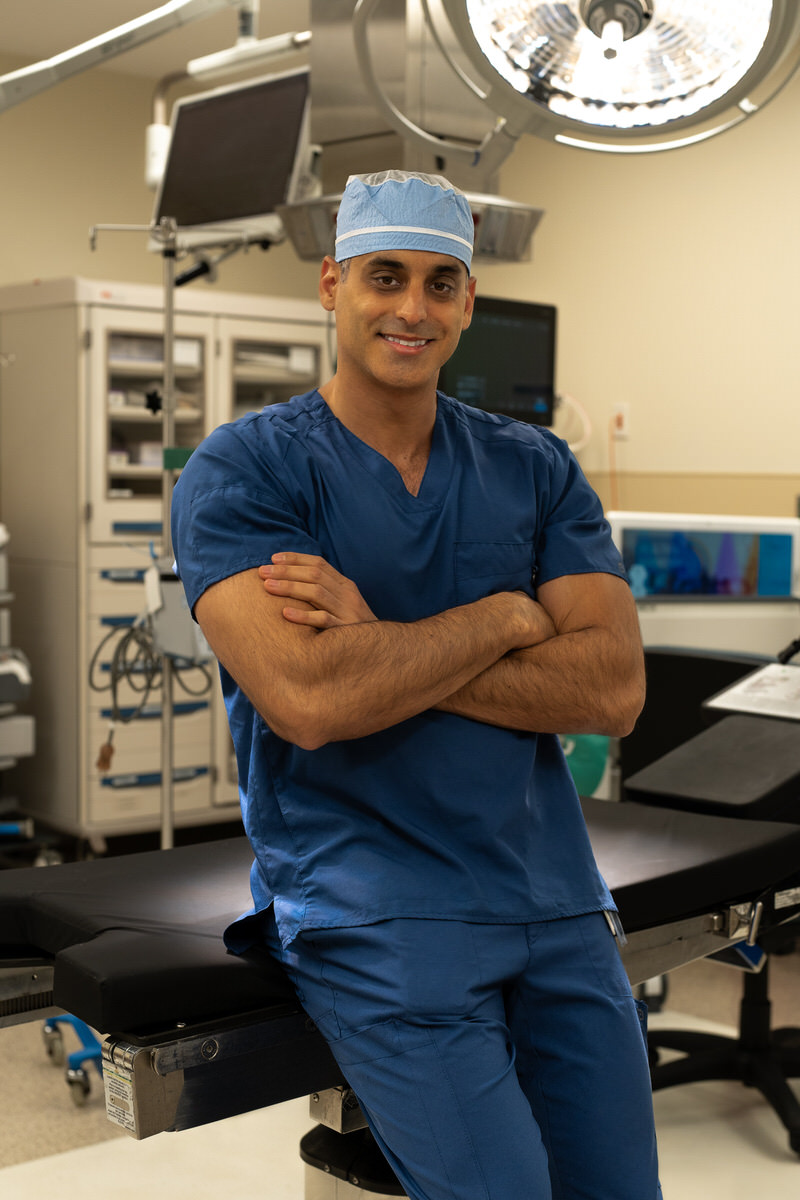
Dr. Sameh Elguizaoui, M.D. — Board-Certified Orthopedic SurgeonPRP therapy has shown strong results for a range of musculoskeletal conditions. Here are the most common:
PRP promotes actual tissue healing while cortisone provides temporary relief — studies show PRP outperforms cortisone at 1 year for tendinopathy (source: AJSM, JBJS)
PRP offers several important advantages over cortisone injections and other traditional treatments:
It's worth noting that cortisone still has its place — for acute inflammation or when quick relief is needed before starting rehab. But for chronic conditions where long-term healing is the goal, PRP is increasingly the preferred choice.
I've seen PRP transform outcomes for patients with chronic tennis elbow, knee arthritis, and rotator cuff tendinitis who had been struggling for months. It's not magic — it's biology, applied precisely where it's needed. And for the right patient, the results speak for themselves.
Dr. Sameh Elguizaoui, M.D.The procedure takes about 30 minutes in the office. Here's what the experience looks like:
Some patients experience significant improvement after a single injection. Others may benefit from a series of 2-3 injections spaced several weeks apart. Dr. Elguizaoui will recommend a treatment plan based on your specific condition and response.
Most insurance plans do not yet cover PRP therapy, as it's still considered investigational by many insurers despite growing clinical evidence. Our office can discuss costs and payment options with you upfront so there are no surprises.
Many patients see improvement with a single injection. For more chronic conditions or osteoarthritis, a series of 2-3 injections may be recommended. Dr. Elguizaoui will evaluate your response and adjust the plan accordingly.
Most patients describe mild discomfort during the injection — similar to any other injection. The area may be sore for a few days afterward, but this is actually a sign that the inflammatory healing response is working. Significant pain is uncommon.
You'll typically rest the treated area for 48-72 hours. Light activity usually resumes within a few days, with a gradual return to full activity over 2-4 weeks. Avoid anti-inflammatory medications during recovery as they can interfere with the healing process.
PRP and stem cell therapy are both forms of regenerative medicine but work differently. PRP concentrates growth factors from your blood to stimulate healing. Stem cell therapy uses cells that can differentiate into new tissue. Dr. Elguizaoui can discuss which approach — or combination — is best for your situation.
PRP is not a one-size-fits-all solution. It works best for specific conditions and specific patients. Factors like your age, overall health, severity of the condition, and treatment goals all play a role. Dr. Elguizaoui evaluates each patient individually and will tell you honestly whether PRP is your best option.
Dr. Elguizaoui will evaluate your condition and give you an honest answer about whether PRP therapy is the right fit — with no pressure and no obligation. Offices in Manhattan, Brooklyn, and Scarsdale.
Schedule a Consultation or call (212) 828-3838Related: Sports Medicine Services · Meniscus Tears & Cartilage Injuries · Cartilage Damage Treatment
Get Started
Take the first step toward recovery. Schedule a consultation with Dr. Elguizaoui to discuss your condition and explore your treatment options.